
Demystifying Digital Payments: A Small Business Guide to Secure & Efficient Transactions (Indonesian Case)
Ditch the cash. Discover how to transform your business with a digital payment strategy.

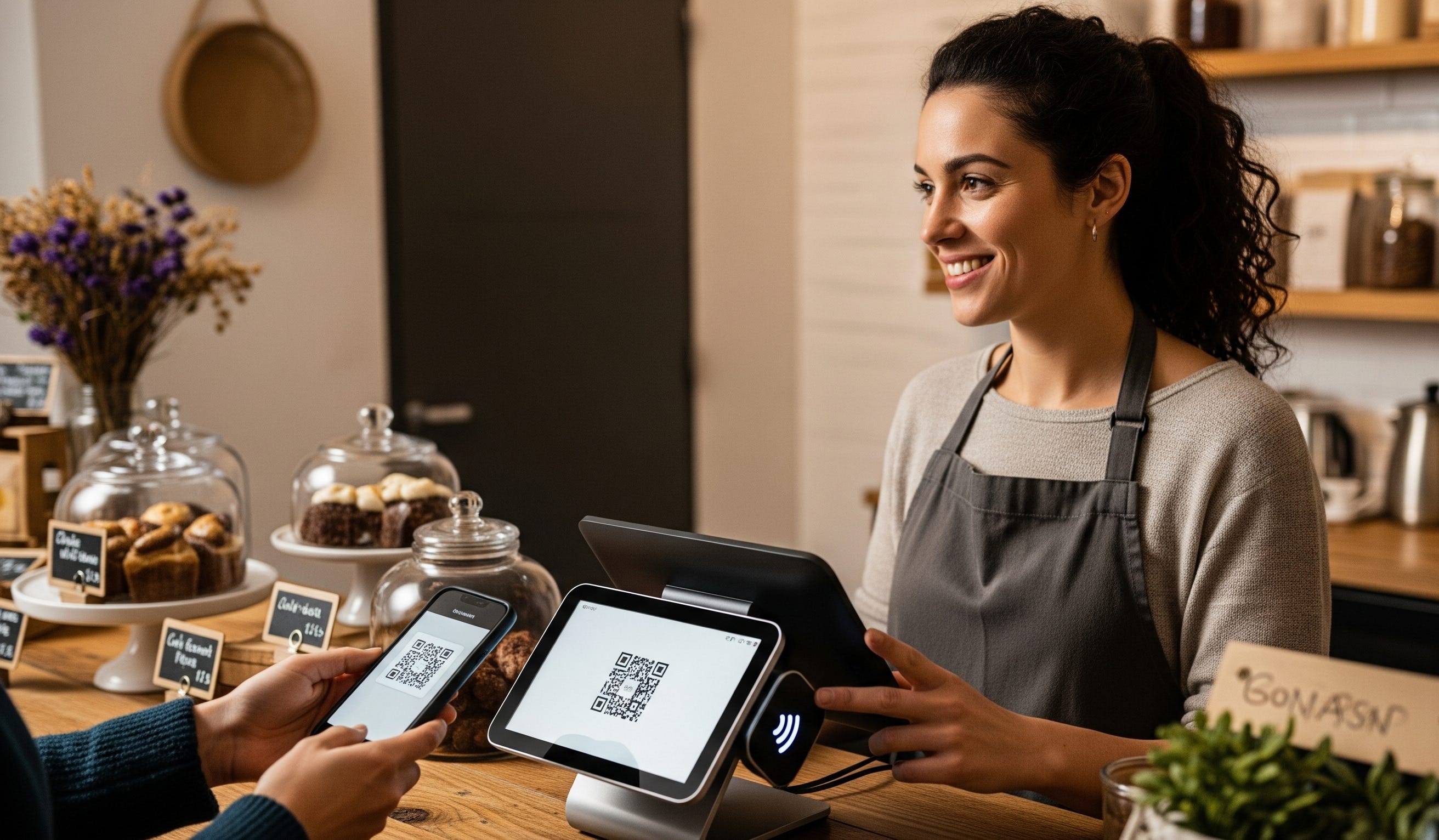
In today's fast-paced market, cash is no longer king. From a neighborhood stall (warung in Indonesian) to a bustling online store, customers expect a variety of fast, convenient, and secure payment options. For a small business, navigating this new landscape can feel daunting. With so many choices from payment gateways to QR codes, how do you choose what's right for your business without overcomplicating things or risking security?
The truth is, embracing digital payments isn't just about convenience; it's a strategic move that can dramatically boost your sales and streamline your operations. By understanding and implementing the right tools, you can meet customer expectations, reduce costs, and gain a competitive edge.
The New Era of Payments: Why Digital is a Must
Accepting digital payments is no longer an option, it's a necessity. Here's why:
Increased Sales: Customers tend to spend more when they aren't limited by the cash in their wallets. Offering their preferred payment method reduces friction at checkout and encourages purchases.
Improved Efficiency: Digital payments are faster and eliminate the hassle of handling cash, making change, and manually reconciling daily transactions.
Enhanced Security: Cash is vulnerable to theft and loss. Digital transactions are recorded automatically, reducing security risks and human error.
Wider Customer Base: As more consumers, especially the younger generation, adopt a cashless lifestyle, businesses that only accept cash risk losing a significant portion of the market.
Your Digital Payment Arsenal: Key Options for SMBs in Indonesia
Indonesia's digital payment ecosystem is thriving. Here are the key solutions you should consider:
1. QRIS (Quick Response Code Indonesian Standard)
QRIS is a game-changer for Indonesian businesses. Mandated by Bank Indonesia, it’s a single, standardized QR code that allows you to accept payments from nearly any bank or e-wallet application (such as GoPay, OVO, Dana, LinkAja, and ShopeePay).
Benefit for You: You only need one QR code sticker. This simplifies your checkout process and allows you to accept payments from millions of users without needing multiple accounts or devices.
Benefit for Customers: They can pay using their favorite e-wallet or mobile banking app by simply scanning your QRIS code.
2. Payment Gateways
If you run an online store or need to send payment links, a payment gateway is essential. It's the technology that securely processes online transactions and connects your website to various payment methods.
Key Players: Popular local gateways in Indonesia include Midtrans, Doku, and Xendit. They offer a wide range of options, from bank transfers and virtual accounts to e-wallets and credit cards.
Benefits: A gateway makes online payments secure and simple for your customers. It also centralizes all your online transaction data in a single dashboard, making reconciliation easy.
3. E-Wallets and E-Money
Platforms like GoPay, OVO, Dana, and ShopeePay have become incredibly popular in Indonesia. Many offer business accounts that provide specific features for merchants.
Why use them? They're often linked to loyalty programs and promotions, which can drive more customers to your business. Accepting them shows you're modern and customer-focused. Many payment gateways can integrate these e-wallets, so you don't need to manage each one separately.
Beyond Accepting Payments: Optimizing for Profit
Simply offering digital payments isn't enough. You need a strategy to manage them efficiently.
Understand Transaction Fees: Most digital payment providers charge a small fee per transaction (known as the Merchant Discount Rate, or MDR). This fee varies by provider and payment method, but it's crucial to factor it into your pricing. For micro-businesses, the Indonesian government has often offered special, low-cost rates for QRIS transactions.
Prioritize Security: Work with reputable providers that offer strong security features, such as data encryption and fraud detection. This protects your business and builds customer trust.
Integrate and Automate: The real power comes from integration. Connect your payment systems to your accounting software. This automates your financial records and eliminates manual data entry, saving you a significant amount of time and reducing errors.
Conclusion
Embracing the digital payment ecosystem is a journey from financial complexity to clarity. By strategically choosing the right tools and leveraging them to their full potential, you can transform your business. From the simplicity of a single QRIS code to the power of an integrated payment gateway, technology empowers you to serve more customers, increase efficiency, and focus on what you do best: growing your business.
What's one small step you can take today to move your business toward a cashless future?